As an Amazon Associate, we earn from qualifying purchases. Some links on this site are affiliate links at no extra cost to you. Our recommendations are based on thorough research and editorial judgment.

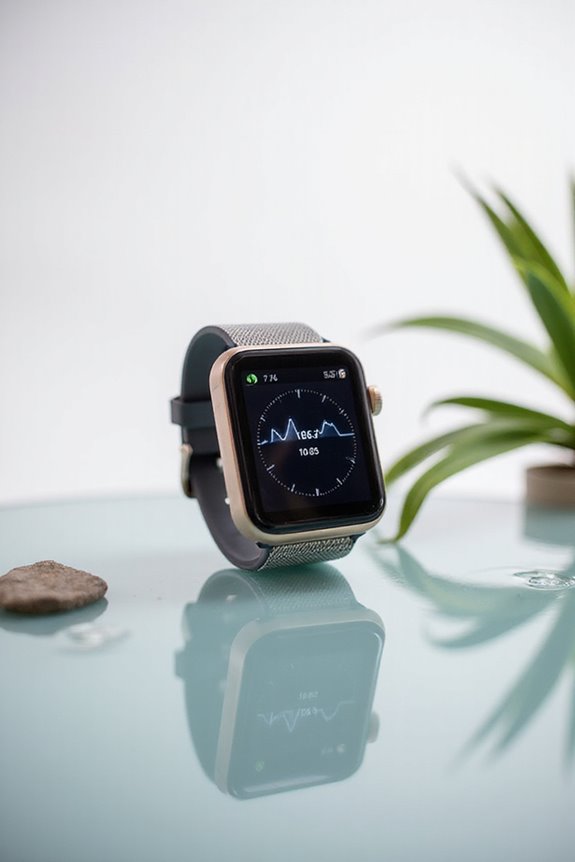
Do Fitness Trackers Monitor Stress?

Absolutely, fitness trackers can monitor stress! They use various sensors to track our heart rate, skin temperature, and even sweat levels, giving us insights into how our body reacts to everyday challenges. We can see when our heart rate spikes or when our sleep quality drops, helping us understand our stress levels. Different brands like Apple, Garmin, and Fitbit offer unique features to assist us. If you’re curious, we can explore more about how these trackers work and their benefits.
Key Takeaways
- Fitness trackers use Electrodermal Activity (EDA) sensors to detect sweat gland activity, indicating stress levels.
- Heart rate metrics and Heart Rate Variability (HRV) measurements help assess stress responses and overall autonomic health.
- Skin temperature monitoring can indicate fluctuations in blood flow linked to stress reactions.
- Sleep quality analysis provides insights into disruptions correlated with increased stress levels.
- Many leading brands offer fitness trackers with varying algorithms for accurate stress detection and monitoring capabilities.
Understanding Stress and Its Impact on Health
You may be interested


When we think about stress, we often overlook how deeply it can affect our health and overall well-being. Stress, defined as the body’s reaction to challenges, brings various health implications. It can trigger headaches, fatigue, and even muscle tension, affecting our daily lives. Chronic stress can weaken our immune systems, making us more vulnerable to illnesses. Hormonal changes create issues like stomach upset and sleep disturbances. Furthermore, stress activates our autonomic nervous system, leading to increased heart rate and altered blood pressure, which may put a strain on our cardiovascular health. Additionally, stress can impact our mental well-being, causing anxiety and mood disorders. By understanding these effects, we can better address stress in our lives. Moreover, tracking stress levels through devices with continuous heart rate tracking can provide valuable insights into our overall health and stress management.
Key Metrics for Stress Detection in Fitness Trackers

While we all experience stress in different ways, fitness trackers have evolved to offer an insightful glimpse into how our bodies respond to it. These devices utilize several key metrics for stress measurement:
- Electrodermal Activity (EDA) Sensors: Measure electrical changes linked to sweat gland activity, capturing subtle physiological responses that standard metrics might miss.
- Skin Temperature Monitoring: Tracks fluctuations in skin temperature, showing how stress impacts blood flow and autonomic activity.
- Sleep Quality Analysis: Provides insights into sleep duration and disruptions, often reflecting our stress levels.
- Heart Rate Metrics: Assesses resting heart rate changes, signaling stress and recovery patterns. Additionally, many trackers offer comprehensive tracking of various health metrics to help users manage their overall well-being.
Recommended Products

Advanced, watch-style dive computer, sized for smaller wrists, features a stunning 1.2” AMOLED display, scratch-resistant sapphire lens and 43 mm stainless steel bezel

Luxury adventure-focused multisport GPS smartwatch built with a Grade-5 titanium case, domed sapphire lens and a bright AMOLED touchscreen for exceptional durability and clarity

Ultimate high-performance smartwatch features a 1.4” always-on, stunning AMOLED display with a steel bezel designed for larger wrists
The Role of Heart Rate Variability (HRV)

Understanding heart rate variability (HRV) can give us valuable insights into how our bodies handle stress. HRV measures the time variations between our heartbeats, reflecting our autonomic nervous system’s activity. The significance of HRV is notable; lower HRV often indicates higher stress levels, suggesting we’re in a sympathetic-dominant state.
Acute stress events, like public speaking, can lead to noticeable HRV variations, while chronic stress tends to sustain decreased HRV readings. Fitness trackers, equipped with photoplethysmography sensors, provide us the opportunity to monitor these variations continuously. Additionally, fitness trackers also offer health metrics monitoring that can provide a comprehensive view of our overall well-being. Being aware of our HRV can help us manage stress more effectively, enabling us to take proactive steps toward maintaining our well-being and fitness.
Let’s leverage this knowledge for better health!
Recommended Products

Multisport GPS smartwatch with built-in inReach technology for two-way satellite and LTE connectivity (active subscription required; coverage limitations may apply; some jurisdictions regulate or prohibit the use of satellite communication devices)

Multisport GPS smartwatch with built-in inReach technology for two-way satellite and LTE connectivity (active subscription required; coverage limitations may apply; some jurisdictions regulate or prohibit the use of satellite communication devices)
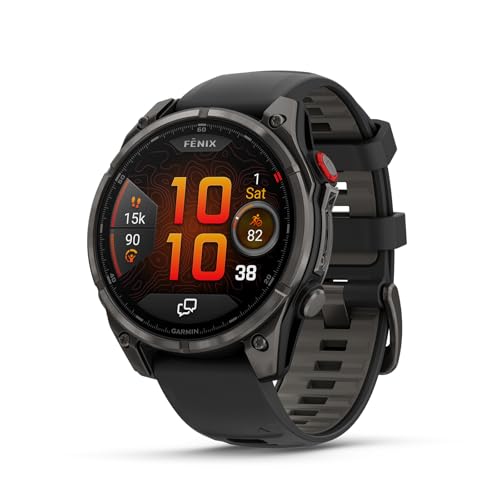
Multisport GPS smartwatch with built-in inReach technology for two-way satellite and LTE connectivity (active subscription required; coverage limitations may apply; some jurisdictions regulate or prohibit the use of satellite communication devices)
Additional Signals for Stress Monitoring
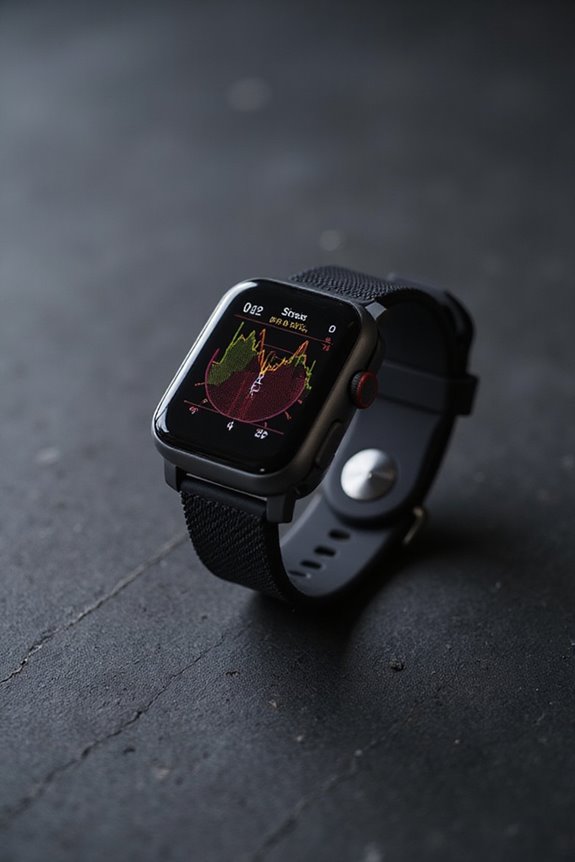
Fitness trackers go beyond just counting steps or monitoring heart rate; they now incorporate various signals that help us understand stress levels better.
Key Features:
- Electrodermal Activity (EDA) Sensors: These sensors measure changes in sweat activity, revealing stress indicators that many might overlook. Devices like the Fitbit Sense 2 provide ongoing insights.
- Skin Temperature Monitoring: Wearable sensors track fluctuations in skin temperature, signaling stress responses that complement other metrics.
- Sleep Quality Assessment: Continuous sleep tracking offers context about our stress levels, as poor sleep often ties closely to increased stress.
- Physical Activity Data: Accelerometers help differentiate between intentional exercise and stress-related heart rate changes, enhancing stress detection accuracy.
Integrating these features empowers us to monitor our stress more holistically, just as the advanced health monitoring capabilities of devices like the Apple Watch Series 9 can provide deeper insights into our overall wellbeing.
Accuracy Enhancements Through Technology

To enhance the accuracy of stress monitoring, modern fitness trackers are embracing a multi-faceted approach that integrates a variety of sensors.
- Integrated Sensors: Devices now combine electrodermal activity, heart rate variability, and skin temperature sensors. This integration boosts the accuracy of stress measurement.
- Biosensor Advancements: Advancements in wearable biosensors allow for the detection of sweat biomarkers, providing direct insights into stress hormones like cortisol.
- Sensor Calibration: Regular sensor recalibration is essential to counteract signal drift, ensuring data reliability.
- Continuous Monitoring: Miniaturized sensors enable all-day wear, capturing real-time stress responses without discomfort. Additionally, some trackers include advanced health monitoring capabilities such as heart rate and SpO2 tracking, which can further inform users about their stress levels.
Together, these innovations create a more nuanced view of our stress levels, empowering us to manage our well-being in our daily lives more effectively.
Recommended Products

BRIGHT AMOLED DISPLAY: Advanced multisport GPS smartwatch for athletes/adventurers features a bright 1.4” AMOLED display, stainless steel bezel, enhanced graphical interface and a built-in LED flashlight for after- dark visibility

Advanced multisport GPS smartwatch for athletes/adventurers features a big, bright 1.4” AMOLED display with scratch-resistant sapphire lens, durable titanium bezel and a built-in LED flashlight for after- dark visibility

Smartwatch for your athletic lifestyle, featuring 1.3” always-on, bright AMOLED display; select models feature a sapphire display and titanium bezel .Supported Application:Elevation Tracker,Distance Tracking,Fitness Tracker,Multisport Tracker,Sleep Monitor. Connectivity technology:GPS. Wireless comm standard:Bluetooth
Machine Learning in Stress Detection
As we explore how machine learning enhances stress detection, it’s fascinating to see how technology evolves in response to our daily needs. Machine learning processes begin with data collection from wearable sensors, capturing signals like heart rate and electrodermal activity.
- Feature extraction is key, where meaningful patterns are identified from these signals.
- This involves cleaning raw data to improve quality.
Next, models are trained to classify stress states using labeled datasets.
– Model validation guarantees accuracy by testing on unrecognized data.
Real-time detection offers immediate insights, while offline analysis supports tracking over time. These approaches lead to better understanding and management of stress, making our fitness trackers not just gadgets but useful companions in our daily lives.
Types of Stress Detected by Fitness Trackers
Understanding the types of stress that fitness trackers can detect helps us appreciate their versatility. These devices can recognize various stress patterns, including:
- Acute Stress: Real-time episodes triggering increased heart rate and reduced heart rate variability (HRV).
- Chronic Stress: Ongoing worry indicated by sustained changes in HRV and skin conductance.
- Physical Exertion Stress: Differentiated by movement sensors to prevent false alarms during workouts.
- Cognitive Challenge Stress: Subtle changes in HRV that arise during mental tasks.
- Environmental Stress: Factors like cold exposure affecting heart rate and vasomotor activity.
Recommended Products

[Garmin Fenix 7 Pro – Sapphire Solar Edition] a 47 mm high-performance smartwatch w/ Titanium bezel & Fog Gray/Ember Orange Silicone Band, designed for everyday use without any compromises.

Long-running solar powered multisport GPS watch with scratch-resistant Power Sapphire lens and always-on 1.4 inch display uses the sun’s energy to extend battery life; a built-in LED flashlight keeps you going after dark

Long-running solar powered multisport GPS watch with scratch-resistant Power Sapphire lens and always-on 1.4” display uses the sun’s energy to extend battery life; a built-in LED flashlight keeps you going after dark.Supported Application:Elevation Tracker,Distance Tracking,Fitness Tracker,Multisport Tracker,Sleep Monitor. Connectivity technology:Wi-Fi,GPS. Wireless comm standard:Bluetooth
User Feedback and Behavioral Adaptation
When we consider user feedback regarding stress monitoring features in fitness trackers, it’s clear that many of us appreciate how these tools enhance our daily lives. Users often share positive insights about how stress data is presented, making it easy to understand their stress levels. The heatmaps and body feedback scores help us spot stress patterns, encouraging effective adaptation strategies.
Moreover, ongoing updates based on user feedback refine how data is shared, increasing our engagement. We’ve seen significant drops in negative stress episodes after consistent use, and this adaptability strengthens our commitment to managing stress. This blend of real-time feedback and user insights empowers us to actively shape our lifestyles in beneficial ways.
Integration With Holistic Health Metrics
Integrating stress monitoring with holistic health metrics offers us a deeper understanding of our well-being. By combining various indicators—like heart rate variability (HRV), sleep quality, and physical activity—the insights we gain can greatly enhance our approach to holistic wellness and effective stress management.
Key Features:
- Continuous tracking provides a clearer picture of stress patterns over time.
- Sleep assessments link our rest quality and stress levels, informing personalized strategies.
- Activity monitoring helps us understand the balance between physical and psychological stress.
- Emotional logging allows for tracking our mental state against physiological data.
This thorough view empowers us to make informed choices in our daily lives, leading to improved overall wellness.
Leading Brands and Their Stress-Tracking Features
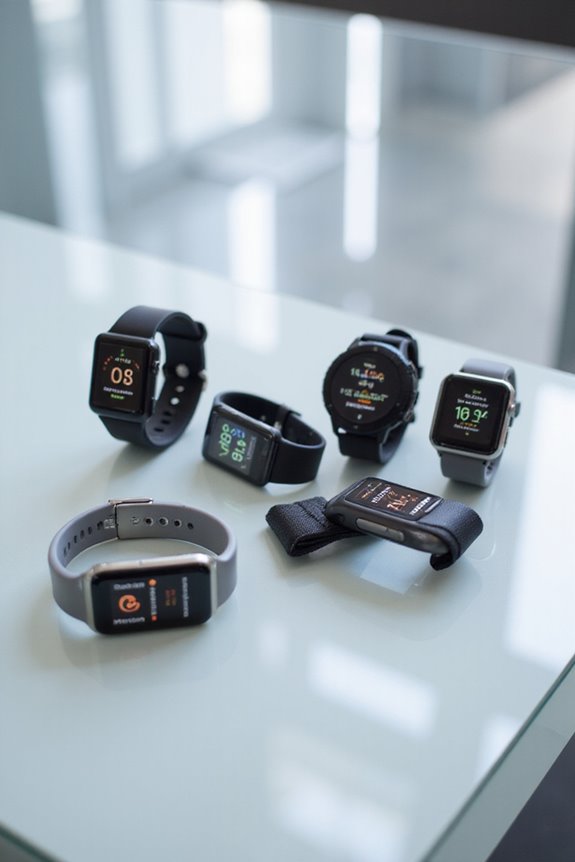
As we explore the landscape of fitness trackers, it’s clear that many leading brands have stepped up their game with specialized stress-tracking features.
- Apple Watch uses heart rate variability (HRV) monitoring, offering guided breathing exercises based on stress levels.
- Garmin Devices continuously measure HRV, focusing on athletic performance while providing relaxation tools.
- Amazfit Band 7 offers affordability, tracking stress with HRV similar to premium devices, but lacks GPS.
- Fitbit employs validated HRV-based tracking, integrating stress scores with other health metrics.
When we look at brand comparisons, differences in algorithms and user preferences can affect stress detection accuracy, impacting our overall experience with each device. It’s essential to take into account these features when choosing a fitness tracker.
Recommended Products

BUNDLE INCLUDES: Garmin tactix 7 AMOLED Premium Tactical GPS Smartwatch, Signature Series Garmin Watch Charger Stand, and Signature Series Power Bundle

Our brightest AMOLED touchscreen display with button controls, a lightweight titanium bezel and sapphire lens, plus a built-in LED flashlight for greater awareness in the dark during early morning or late-night runs

Sleek GPS smartwatch with our biggest display — 2” easy-to-read AMOLED — and our thinnest watch case measuring 8 mm with a scratch-resistant sapphire lens, titanium caseback, bright LED flashlight and ComfortFit nylon band for all-day wearability
Frequently Asked Questions
Can Fitness Trackers Help With Managing Stress Levels Effectively?
We’ve all noticed how our stress sneaks up on us. With wearable technology, we can actively engage in stress management, guiding ourselves to better emotional regulation and recovery, embracing a holistic approach to well-being through these devices.
How Do Fitness Trackers Differentiate Between Types of Stress?
We utilize stress detection methods like biometrics analysis, combining heart rate, EDA, and other data to differentiate stress types. By understanding these signals, we can better manage our stress and improve overall well-being together.
What Lifestyle Changes Can Improve Stress Detection Accuracy?
To enhance stress detection accuracy, we can implement lifestyle modifications like improving sleep quality, staying hydrated, and managing nutrition. Combining these changes with effective stress management techniques will lead to clearer and more reliable measurements.
Are There Privacy Concerns With Stress Monitoring Data?
We’re witnessing worries about wearables: data security and user consent concerns swirl like storm clouds. If we don’t safeguard our sensitive stress data, we risk facing scrutiny and stigmatization. Transparency is paramount for trust.
How Often Should I Sync My Tracker for Accurate Stress Measurements?
To guarantee ideal data accuracy, we should sync our tracker daily or after rest periods. Frequent syncing enhances our understanding of stress patterns, helping us manage our well-being more effectively.